Late night snacking is a common habit that can quietly slow progress. Whether it stems from boredom, stress, emotional eating or routine, extra evening calories can add up over time.
For those who have had or are considering weight loss surgery, including gastric sleeve, gastric bypass, mini gastric bypass or gastric band procedures, building healthier evening habits can support long-term success.
At Tonic Weight Loss Surgery, we understand that sustainable progress involves more than surgery alone. Tonic is rated 5-star ‘Excellent’ on Trustpilot. Our approach combines experienced surgeons with structured aftercare to support patients at every stage of their journey.
Why Late Night Snacking Happens
Evening cravings are rarely driven by hunger alone. They are often linked to habit, emotional triggers or fatigue. After bariatric surgery with Tonic Weight Loss, stomach capacity is smaller, but long-standing routines may take time to change.
Tonic includes a structured 5-year aftercare programme. Years 1–2 include personalised 1-to-1 support from our team, psychotherapy, dietitian support, nurse support and fitness trainer support, alongside surgeon follow-up. Years 3–5 include ongoing telephone support from the aftercare team, with continued surgeon follow-up.
Behavioural support plays an important role in helping patients develop healthier routines over time.
1. Make Sure Your Evening Meal Is Balanced
Prioritise Protein and Fibre
A balanced evening meal can reduce the likelihood of hunger later on. Lean protein, fibre-rich vegetables and appropriate carbohydrates can help promote satiety.
Protein intake is particularly important after surgery, as it supports muscle preservation and helps maintain fullness. Tailored dietary guidance can help patients structure meals confidently during recovery.
2. Identify Emotional Triggers
Ask Yourself: Hunger or Habit?
Late night snacking is often emotional rather than physical. Pausing to ask a few simple questions can help:
- Am I genuinely hungry?
- Am I bored, stressed or tired?
- Is this simply part of my routine?
Replacing snacking with alternative evening rituals, such as reading, journalling or gentle stretching, can help break the habit.
3. Improve Sleep Hygiene
Sleep plays an important role in appetite regulation. Poor sleep can affect hormones linked to hunger and cravings.
Aiming for consistent, restorative sleep can help reduce late evening eating and support overall wellbeing. Better sleep can also support recovery after procedures such as Gastric Sleeve or Gastric Bypass.
4. Stay Hydrated in the Evening
Thirst can sometimes be mistaken for hunger. Sipping water or herbal tea in the evening may help reduce cravings.
Hydration is particularly important after surgery, where mindful fluid intake throughout the day supports recovery and comfort.
5. Prepare Healthier Alternatives
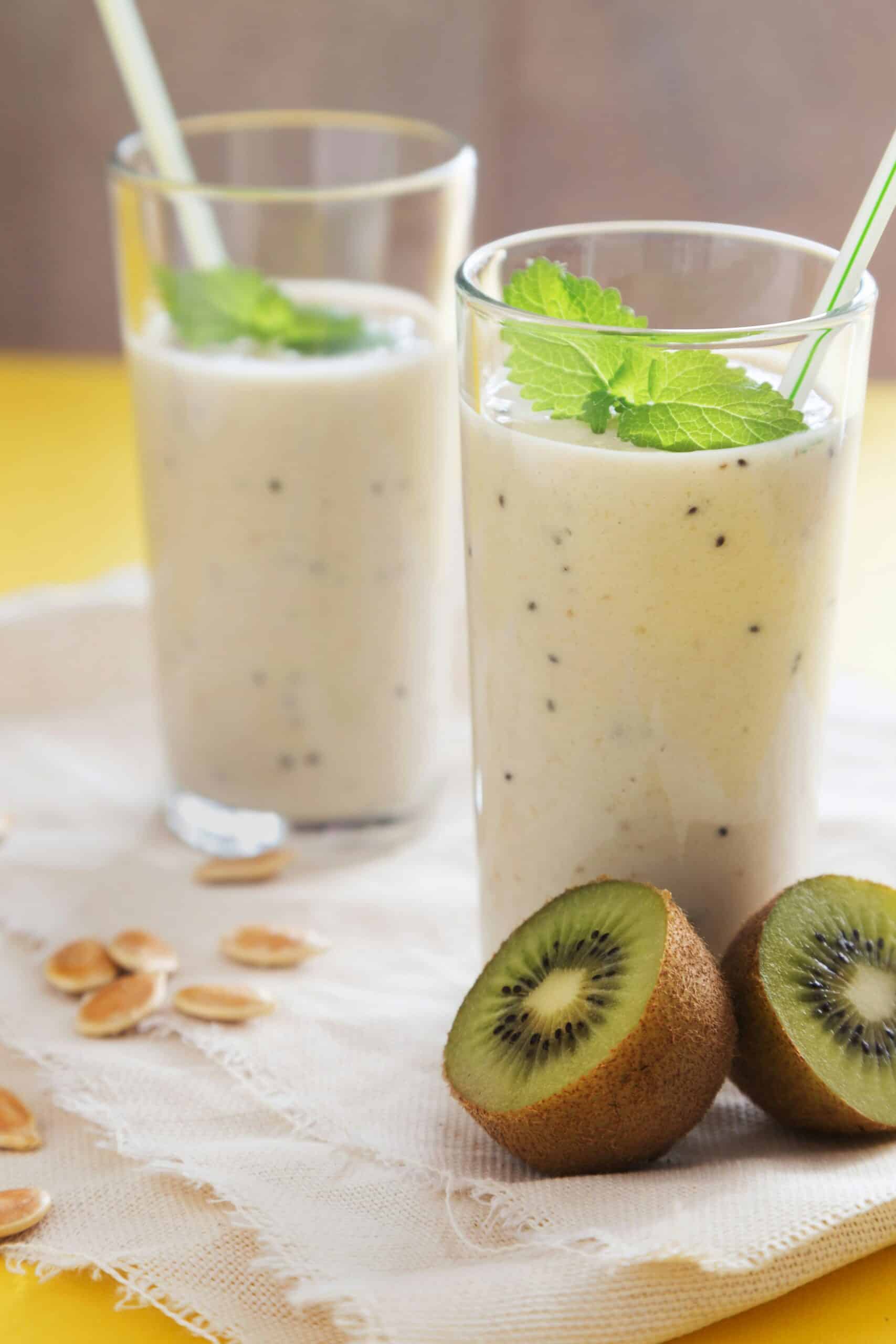
If you do feel genuinely hungry, having balanced options available can help. Simple choices such as fruit, yoghurt or raw vegetables may be more suitable than high-sugar snacks.
Equally important is managing your environment. Keeping less nutritious foods out of easy reach can reduce temptation and support better choices.
Building Sustainable Habits After Weight Loss Surgery
Surgery can be a powerful tool, but long-term success is often built on consistent habits. Avoiding late night snacking is not about restriction or guilt, but about understanding triggers and creating structure.
With experienced clinicians, comprehensive aftercare and long-term patient support, Tonic Weight Loss Surgery continues to support patients across the UK in building sustainable routines.
If you are ready to take the next step, you can arrange a free consultation to explore your options and receive tailored guidance.
Sources
NHS – Sleep and tiredness
https://www.nhs.uk/every-mind-matters/mental-health-issues/sleep/
British Obesity and Metabolic Surgery Society (BOMSS) – Patient information
https://www.bomss.org.uk/patients/
Harvard Health – Lack of sleep and appetite
https://www.health.harvard.edu/staying-healthy/lack-of-sleep-and-weight-gain-how-sleep-affects-your-weight