
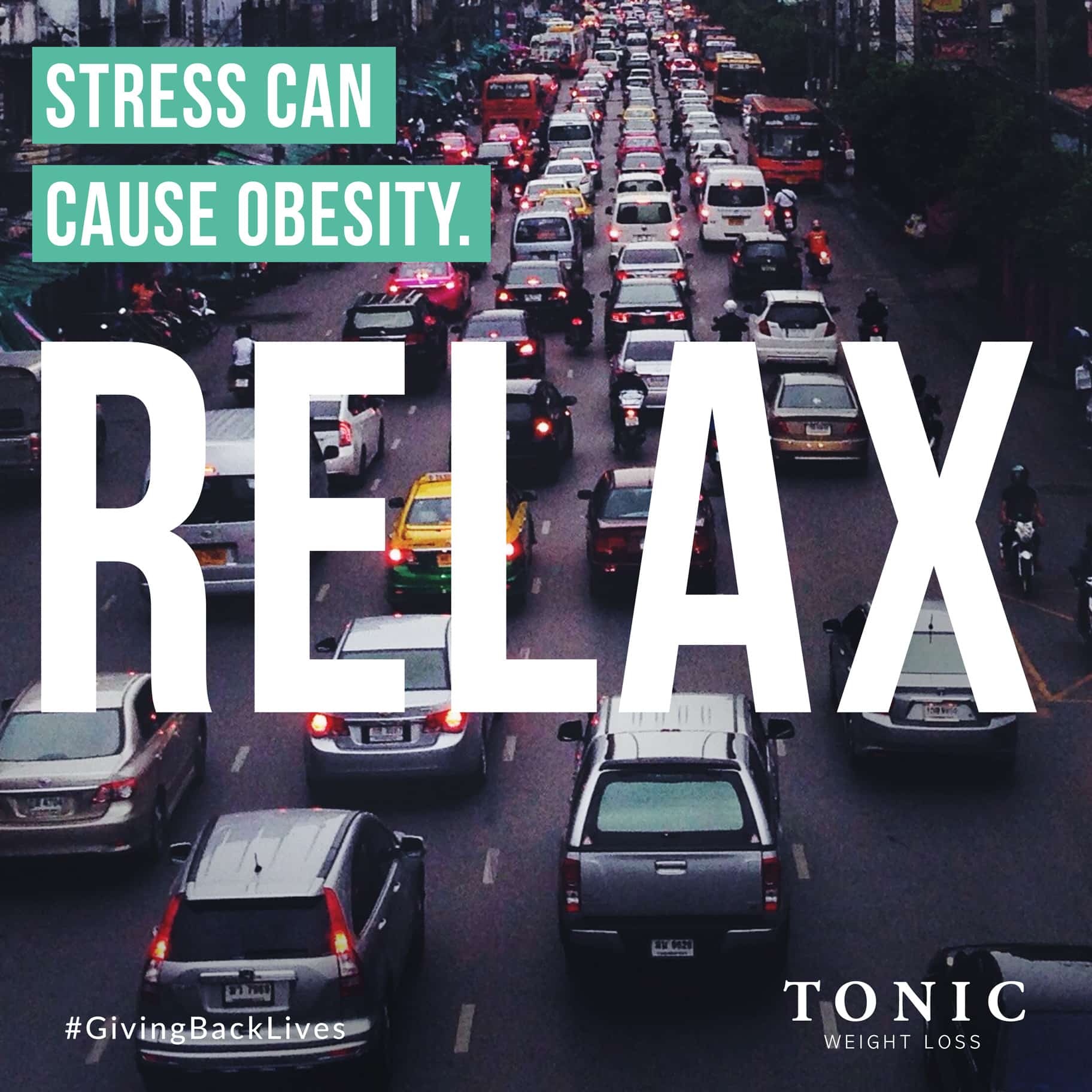
Stress is part of modern life. While short-term stress can be manageable, long-term or chronic stress may influence both physical and mental health, including weight.
Research from University College London has explored the relationship between cortisol, often referred to as the stress hormone, and obesity. In one study involving adults over 50, higher long-term cortisol levels were associated with higher body weight, BMI and waist circumference. Elevated cortisol levels were also linked to persistent obesity over time.
Tonic is rated 5-star ‘Excellent’ on Trustpilot and supports patients with medically responsible care that addresses both physical and emotional wellbeing.
How Stress May Influence Weight
When we experience stress, the body releases cortisol. In the short term, this is a natural response. However, prolonged elevation of cortisol may contribute to:
- Increased appetite
- Preference for high-fat or high-sugar foods
- Greater abdominal fat storage
- Disrupted sleep patterns
Chronic stress may also affect motivation levels, making it harder to maintain regular exercise or structured eating habits.
The NHS highlights how stress can affect both mental and physical health here:
https://www.nhs.uk/mental-health/self-help/guides-tools-and-activities/tips-to-reduce-stress/
The Link Between Emotional Eating and Obesity
For some individuals, stress can trigger emotional eating. Food may temporarily reduce feelings of anxiety or low mood, reinforcing the behaviour.
Over time, repeated stress-related eating may contribute to gradual weight gain.
Addressing obesity therefore often requires more than dietary advice alone. Psychological and behavioural support can be an important part of long-term change.
If you are exploring structured treatment options, you can learn more about our Weight Loss pathways and how multidisciplinary care is delivered.
Can Weight Loss Surgery Help?
Bariatric surgery is a medical treatment for obesity when clinical criteria are met. NICE guidance (CG189) outlines when surgery may be considered, particularly in individuals with a BMI of 40 or above, or 35 to 40 with serious health conditions:
https://www.nice.org.uk/guidance/cg189
While surgery alters the digestive system, it does not remove emotional triggers. Long-term success depends on behavioural awareness and coping strategies alongside dietary change.
For patients undergoing procedures such as Gastric Sleeve or Gastric Bypass, structured follow-up is essential.
Tonic includes a structured 5-year aftercare programme. Years 1–2 include personalised 1-to-1 support from our team, psychotherapy, dietitian support, nurse support and fitness trainer support — alongside surgeon follow-up. Years 3–5 include ongoing telephone support from the aftercare team, with continued surgeon follow-up.
This approach ensures both physical and psychological factors are addressed.
Frequently Asked Questions
Can stress alone cause obesity?
Stress alone does not directly cause obesity. However, chronic stress may influence eating behaviours, hormone levels and sleep patterns, all of which can contribute to weight gain over time.
Does bariatric surgery reduce stress?
Bariatric surgery can improve physical health and quality of life, which may reduce some stressors. However, emotional stress requires separate psychological support and coping strategies.
How can I manage stress-related eating?
Helpful approaches may include structured meal planning, mindfulness techniques, physical activity and speaking with a psychotherapist or support group. Recognising triggers is often the first step.
Is obesity just about lifestyle choices?
No. Obesity is recognised as a complex chronic disease influenced by genetics, hormones, environment, behaviour and psychological factors.
A Whole-Person Approach
Managing obesity requires attention to both body and mind. Reducing stress, building coping skills and addressing emotional patterns can support healthier long-term habits.
If you are concerned about stress, weight gain or eligibility for bariatric surgery, you can arrange a consultation via Contact Us to discuss your individual situation.
Tonic is rated 5-star ‘Excellent’ on Trustpilot and remains committed to delivering quality-led, medically responsible bariatric care across the UK.
Sources
NHS – Stress and how to manage it
https://www.nhs.uk/mental-health/self-help/guides-tools-and-activities/tips-to-reduce-stress/
NHS – Obesity
https://www.nhs.uk/conditions/obesity/
National Institute for Health and Care Excellence – Obesity: identification, assessment and management (CG189)
https://www.nice.org.uk/guidance/cg189
British Obesity and Metabolic Surgery Society – Patient information
https://www.bomss.org.uk/patients/