
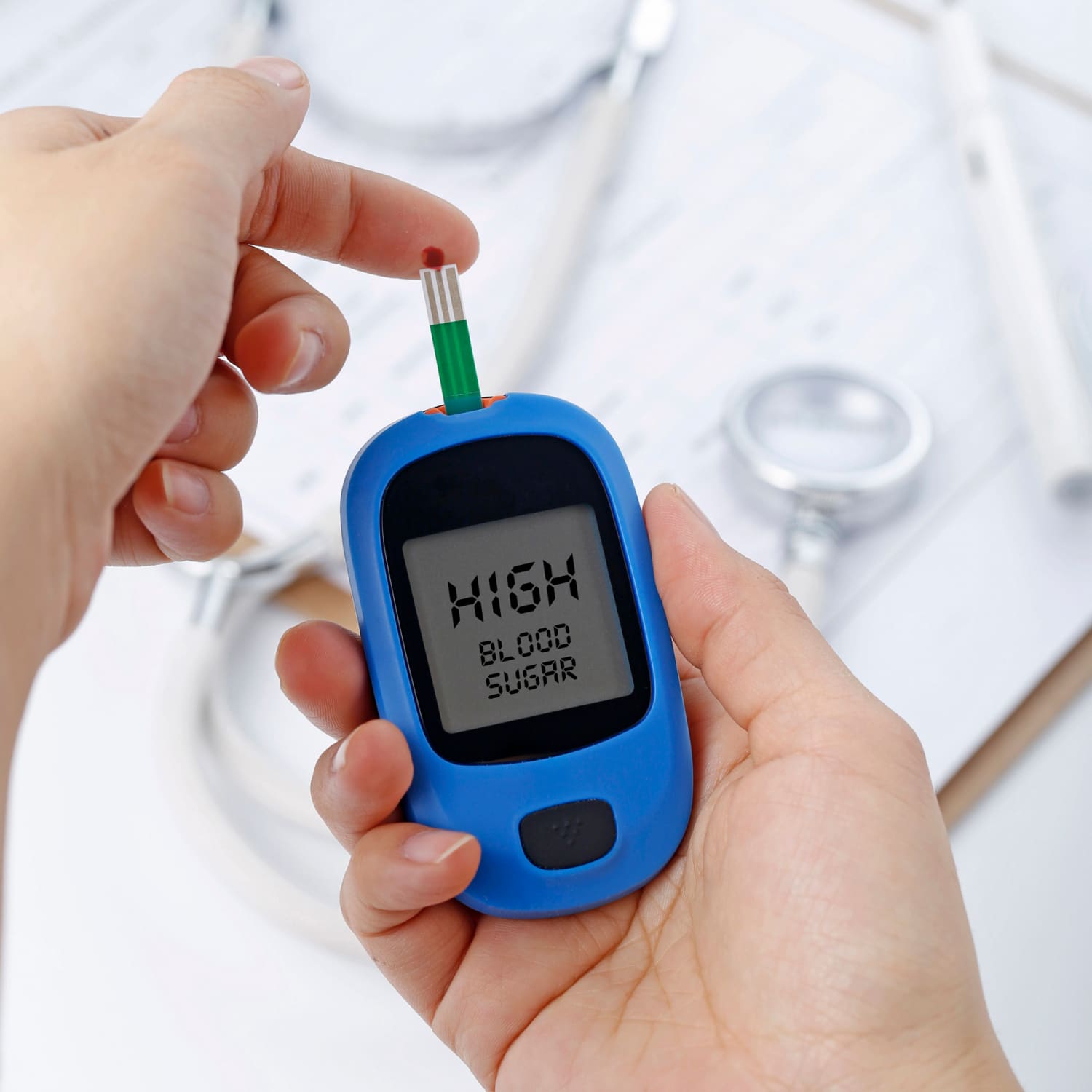
Type 2 diabetes is closely linked with obesity and insulin resistance. For decades, clinicians have observed that certain gastrointestinal surgical procedures can lead to significant improvements in blood glucose levels. Over time, this led to the development of what is now referred to as metabolic surgery.
At Tonic Weight Loss Surgery, we take a medically responsible approach. Bariatric surgery is not a first-line treatment for type 2 diabetes. However, in carefully selected patients living with obesity, surgery may support improved glucose control alongside structured follow-up care.
Tonic is rated 5-star ‘Excellent’ on Trustpilot and provides long-term aftercare to support patients safely and responsibly.
How Surgery Can Influence Blood Glucose
Research since the early 2000s has shown that changes to gastrointestinal anatomy can influence hormones involved in glucose regulation. Certain bariatric procedures not only reduce stomach capacity but also alter gut hormone signalling, which can affect insulin sensitivity and blood sugar control.
Multiple randomised controlled trials have demonstrated that, in people living with obesity and type 2 diabetes, bariatric surgery may lead to greater improvements in blood glucose control compared with lifestyle measures and medication alone. Outcomes vary between individuals, and not all patients experience remission.
The NHS explains how weight loss surgery may be considered in people with obesity and type 2 diabetes here:
https://www.nhs.uk/conditions/weight-loss-surgery/
What Is Diabetes Remission?
In some patients, substantial weight loss following surgery can lead to normalisation of blood glucose levels without the need for diabetes medication. This is referred to as remission.
It is important to use careful language. Remission does not mean cure. Ongoing monitoring remains essential, as blood glucose levels can rise again over time.
The likelihood of remission can depend on factors such as:
- Duration of diabetes
- Baseline pancreatic function
- Degree of weight loss achieved
- Overall metabolic health
Evidence suggests that patients with a shorter duration of type 2 diabetes, particularly under five years, may have a higher likelihood of remission following surgery.
Do All Procedures Affect Diabetes in the Same Way?
All bariatric procedures support weight reduction, which itself can improve insulin sensitivity. However, some procedures appear to have stronger metabolic effects beyond weight loss alone.
For example, Gastric Bypass is often associated with significant improvements in blood glucose control due to both weight reduction and hormonal changes within the gut.
Other procedures such as Gastric Sleeve may also support improved glycaemic control, though the mechanism differs slightly.
Your surgical team will assess your medical history, diabetes duration and overall health before recommending the most appropriate option. You can explore all available Weight Loss procedures to understand how each works.
Who May Be Eligible?
NICE guidance (CG189) outlines when bariatric surgery may be considered. In people with type 2 diabetes and recent onset, surgery may be considered at lower BMI thresholds than in the general obesity population.
Current guidance supports consideration of surgery in:
- Individuals with a BMI of 40 or above
- Individuals with a BMI between 35 and 40 with significant obesity-related conditions such as type 2 diabetes
- Selected patients with type 2 diabetes and a BMI between 30 and 35 where hyperglycaemia is inadequately controlled despite optimal medical therapy
Full guidance can be reviewed here:
https://www.nice.org.uk/guidance/cg189
Eligibility must always be assessed by a multidisciplinary team.
Cardiovascular and Long-Term Health Outcomes
Improved glycaemic control following bariatric surgery may be associated with reduced cardiovascular risk factors, including improvements in blood pressure and lipid profiles.
Some long-term observational studies suggest reductions in cardiovascular events and improved overall survival in selected populations. However, individual outcomes vary and require continued medical monitoring.
Weight loss itself can also contribute to improved mobility, energy levels and overall quality of life.
The Importance of Structured Aftercare
Metabolic improvements do not remove the need for ongoing clinical supervision.
Tonic includes a structured 5-year aftercare programme. Years 1–2 include personalised 1-to-1 support from our team, psychotherapy, dietitian support, nurse support and fitness trainer support — alongside surgeon follow-up. Years 3–5 include ongoing telephone support from the aftercare team, with continued surgeon follow-up.
This structured support ensures nutritional monitoring, diabetes follow-up and long-term engagement.
If you are living with type 2 diabetes and obesity, a consultation can help determine whether bariatric surgery is an appropriate option for you. You can arrange an appointment via Contact Us to discuss your individual circumstances.
Tonic is rated 5-star ‘Excellent’ on Trustpilot and provides medically responsible bariatric care across the UK.
Sources
NHS – Weight loss surgery
https://www.nhs.uk/conditions/weight-loss-surgery/
NHS – Type 2 diabetes
https://www.nhs.uk/conditions/type-2-diabetes/
National Institute for Health and Care Excellence – Obesity: identification, assessment and management (CG189)
https://www.nice.org.uk/guidance/cg189
British Obesity and Metabolic Surgery Society – Patient information
https://www.bomss.org.uk/patients/